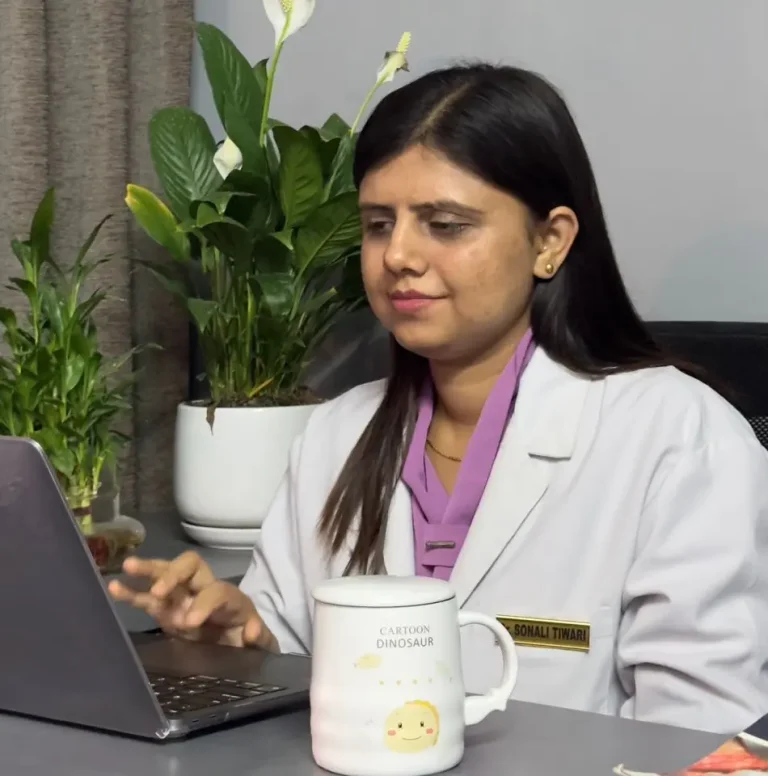
Consultation and Examination
We begin by understanding your symptoms. Our dentist checks the gum, nearby teeth, swelling, pain points, and how much of the wisdom tooth has erupted.
Wisdom teeth are the last molars at the back of the mouth. They usually appear during the late teenage years or early adulthood. Some people have enough space for them to grow normally. Many people do not.
When there is not enough space, a wisdom tooth may stay trapped under the gum, grow sideways, push against the nearby tooth, or come out only partially. This is called an impacted wisdom tooth.
An impacted or partially erupted wisdom tooth can be hard to clean. Over time, it may cause pain, gum infection, food trapping, bad breath, swelling, decay, or damage to the second molar beside it.

You should visit a dentist if pain at the back of your mouth does not go away or keeps returning. Wisdom tooth problems are usually easier to manage when they are diagnosed early.
Common signs include pain at the back of the mouth, swelling around the gum or jaw, difficulty opening your mouth, pain while chewing, food getting stuck behind the last molar, bad breath, gum infection, decay, pressure on nearby teeth, or repeated discomfort in the same area.
Even if the pain settles for a few days, the problem can come back if the wisdom tooth is impacted or difficult to clean. A dental check-up and X-ray can help confirm whether extraction is needed.
We begin by understanding your symptoms. Our dentist checks the gum, nearby teeth, swelling, pain points, and how much of the wisdom tooth has erupted.
An X-ray helps us see the full position of the tooth, including the roots, angle, bone level, and relationship with nearby teeth.
After reviewing your case, we explain whether you need a simple extraction or surgical wisdom tooth removal. We also discuss recovery, aftercare, and estimated cost before starting treatment.
The treatment area is numbed with local anesthesia. During the procedure, you may feel pressure or movement, but you should not feel sharp pain.
After the tooth is removed, the area is cleaned properly. Stitches may be placed if needed. You will receive clear home-care instructions and follow-up guidance.
Wisdom tooth extraction starts with proper diagnosis. Your dentist checks the gum, nearby teeth, swelling, pain points, and X-ray findings before deciding whether simple extraction or surgical wisdom tooth removal is needed.
Meet the dental professionals who help patients with wisdom tooth pain, impacted wisdom teeth, surgical removal, and aftercare at Agrim Dental Clinic.
No. Not every wisdom tooth needs removal. If the tooth has fully erupted, is healthy, easy to clean, and is not affecting nearby teeth, it may not need extraction. A dentist can confirm this after an examination and X-ray.
An impacted wisdom tooth is a wisdom tooth that cannot come out normally because there is not enough space. It may stay trapped under the gum, grow sideways, or only partially erupt.
The procedure is done under local anesthesia, so you should not feel pain during extraction. Some soreness or swelling after the procedure is normal and usually improves with proper care.
A simple wisdom tooth extraction may take a short time. Impacted or surgical wisdom tooth removal can take longer depending on tooth position, root shape, and complexity.
Recovery from a simple extraction may take a few days. Recovery from impacted or surgical wisdom tooth removal may take around one week or slightly longer.
Wisdom tooth pain may reduce temporarily, but if the tooth is impacted, partially erupted, or repeatedly infected, the pain may return. A dental examination can help decide whether extraction is needed.
Soft foods are best after wisdom tooth extraction. You can eat soup, yogurt, soft rice, mashed potatoes, eggs, and other soft meals. Avoid hard, crunchy, spicy, and very hot foods for the first few days.
Yes, you can brush your other teeth gently. Avoid brushing directly over the extraction area during early healing. Your dentist will guide you on how to clean the area safely.
Contact your dentist if you have severe pain, heavy bleeding, fever, pus, worsening swelling, difficulty swallowing, or pain that does not improve with medicine.